 By Admin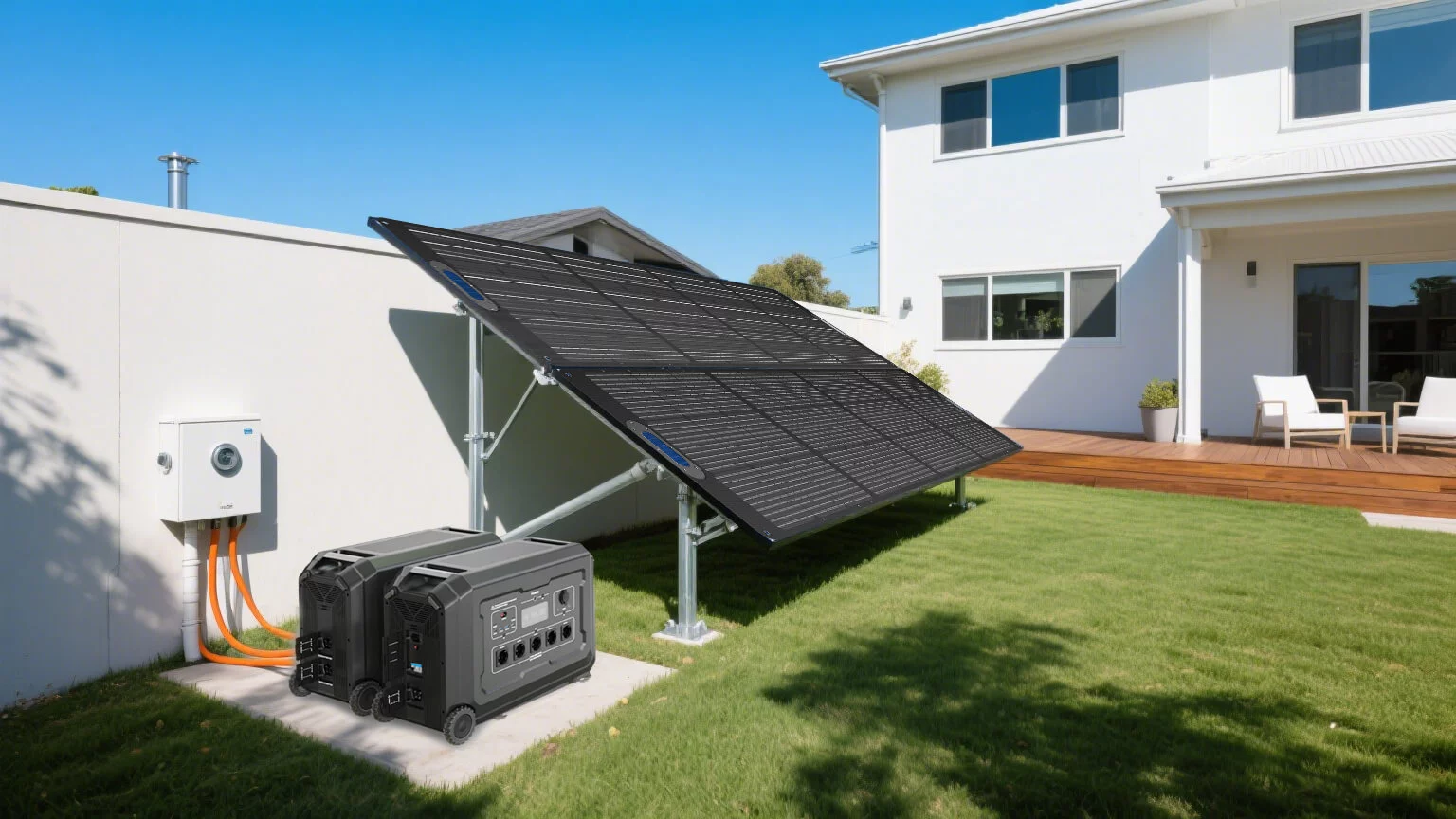
Power outages are becoming more common due to extreme weather, aging infrastructure, and increasing electricity demand. Many homeowners are now looking for reliable backup power solutions that can keep essential appliances running during blackouts. Two popular options are the Whole House Solar Generator and traditional backup generators. While both systems provide electricity during outages, they operate in very different ways.
Understanding the differences between these systems can help homeowners choose the most suitable option for their energy needs. This article compares Solar Powered Generators and traditional generators in terms of efficiency, cost, maintenance, environmental impact, and long-term benefits.
Understanding Backup Power Systems
Backup power systems are designed to provide electricity when the main power grid fails. They ensure that important appliances such as refrigerators, lights, medical equipment, and communication devices continue working.
While traditional generators rely on fuel combustion, modern energy solutions such as the Whole House Solar Generator use renewable energy from the sun. Each system has its own advantages and limitations.
What Is a Whole House Solar Generator?
A Whole House Solar Generator is a renewable energy backup system that uses solar panels to generate electricity and store it in a battery for later use. The system usually includes a portable power station connected to solar panels or photovoltaic modules.
How It Works
The working process of Solar powered generators involves three main steps:
- Solar panels capture sunlight and convert it into electricity.
- The electricity is stored in a battery system within the power station.
- The stored energy powers household appliances when needed.
Products such as the SOUOP series whole house solar generator combine a portable power station with solar panels. These systems can also be connected to photovoltaic panels, providing flexibility for different home setups.
Key Features
- Uses renewable solar energy
- Quiet operation
- Portable power station design
- Compatible with photovoltaic panels
- Can power essential appliances during outages
Because they rely on sunlight rather than fuel, Solar powered generators are becoming increasingly popular for residential energy solutions.
What Is a Traditional Backup Generator?
Traditional backup generators are fuel-powered machines designed to produce electricity during outages. They typically run on gasoline, diesel, or natural gas.
How It Works
These generators operate using an internal combustion engine. Fuel is burned inside the engine to create mechanical energy, which is then converted into electrical power.
Key Features
- Immediate power generation
- High output capability
- Operates using fuel sources such as gasoline or diesel
- Often installed permanently or used as portable units
Although traditional generators are widely used, they require continuous fuel supply and regular maintenance.
Efficiency and Energy Source
Whole House Solar Generator Efficiency
A Whole House Solar Generator relies on sunlight, which is a renewable and unlimited resource. Solar panels capture energy during the day and store it for later use.
Because Solar powered generators store electricity in batteries, they can deliver energy efficiently without burning fuel. This makes them suitable for long-term energy sustainability.
Traditional Generator Efficiency
Traditional generators convert fuel into electricity, but this process produces heat and energy loss. As a result, they are less efficient compared to solar-based energy storage systems.
Additionally, fuel consumption increases with usage, which can raise operational costs over time.
Environmental Impact
Solar Powered Generators and Sustainability
One of the biggest advantages of a Whole House Solar Generator is its environmentally friendly design. Solar energy does not produce emissions or pollution.
Benefits include:
- Zero carbon emissions during operation
- Reduced reliance on fossil fuels
- Clean and renewable energy source
For homeowners interested in reducing their environmental footprint, Solar powered generators offer a more sustainable solution.
Traditional Generator Environmental Effects
Traditional generators burn fuel, which releases carbon dioxide and other pollutants into the atmosphere. These emissions contribute to environmental pollution and climate change.
In addition, fuel spills and storage can pose environmental risks.
Noise and Operation
Quiet Operation of Solar Generators
A Whole House Solar Generator operates silently because it does not use an engine. The system simply stores and distributes electricity through batteries.
This quiet operation makes solar generators ideal for residential areas where noise restrictions may apply.
Noise from Traditional Generators
Traditional generators can produce significant noise due to their combustion engines. The sound level often depends on the generator size and fuel type.
In some cases, the noise can be disruptive, especially during extended power outages.
Maintenance Requirements
Maintenance of Solar Powered Generators
Maintenance for a Whole House Solar Generator is relatively simple. Since the system has fewer moving parts, it requires minimal servicing.
Typical maintenance includes:
- Cleaning solar panels
- Checking battery performance
- Ensuring proper wiring connections
This low maintenance requirement is one reason why Solar powered generators are becoming more attractive for homeowners.
Maintenance of Traditional Generators
Traditional generators require more frequent maintenance due to their mechanical components.
Regular tasks include:
- Oil changes
- Fuel system checks
- Engine maintenance
- Filter replacements
Without proper maintenance, traditional generators may fail during critical moments.
Installation and Setup
Installing a Whole House Solar Generator
Setting up a Whole House Solar Generator usually involves installing solar panels and connecting them to a power station. The system can be placed indoors or outdoors depending on the design.
Products in the SOUOP series provide flexible installation because the portable power station can be paired with solar panels or photovoltaic modules.
Installing Traditional Generators
Traditional generators may require professional installation, especially for systems connected to the home’s electrical panel. They also need proper ventilation and safe fuel storage.
This can increase installation complexity and cost.
Long-Term Cost Considerations
Cost Benefits of Solar Powered Generators
While the initial investment for a Whole House Solar Generator may be higher, operating costs are typically lower because sunlight is free. Once installed, Solar powered generators can provide energy for many years with minimal expenses.
Costs of Traditional Generators
Traditional generators may have lower upfront costs, but fuel expenses and maintenance can add up over time. During extended power outages, fuel availability may also become a concern.
Choosing the Right Backup Power Solution
Selecting between a Whole House Solar Generator and a traditional generator depends on several factors, including energy needs, budget, and environmental priorities.
A solar generator may be ideal for homeowners who want:
- Clean and renewable energy
- Quiet operation
- Low maintenance systems
- Long-term cost savings
Traditional generators may be more suitable for situations requiring extremely high power output or immediate energy in areas with limited sunlight.
Conclusion
Both backup power solutions serve the same purpose—keeping your home powered during outages—but they achieve this in different ways. A Whole House Solar Generator offers a clean, quiet, and sustainable energy option that relies on sunlight rather than fuel.
On the other hand, traditional generators provide reliable power through fuel combustion but require regular maintenance and fuel supply.
As renewable energy technology continues to improve, Solar powered generators are becoming an increasingly practical solution for homeowners seeking reliable and environmentally friendly backup power systems.