 By Admin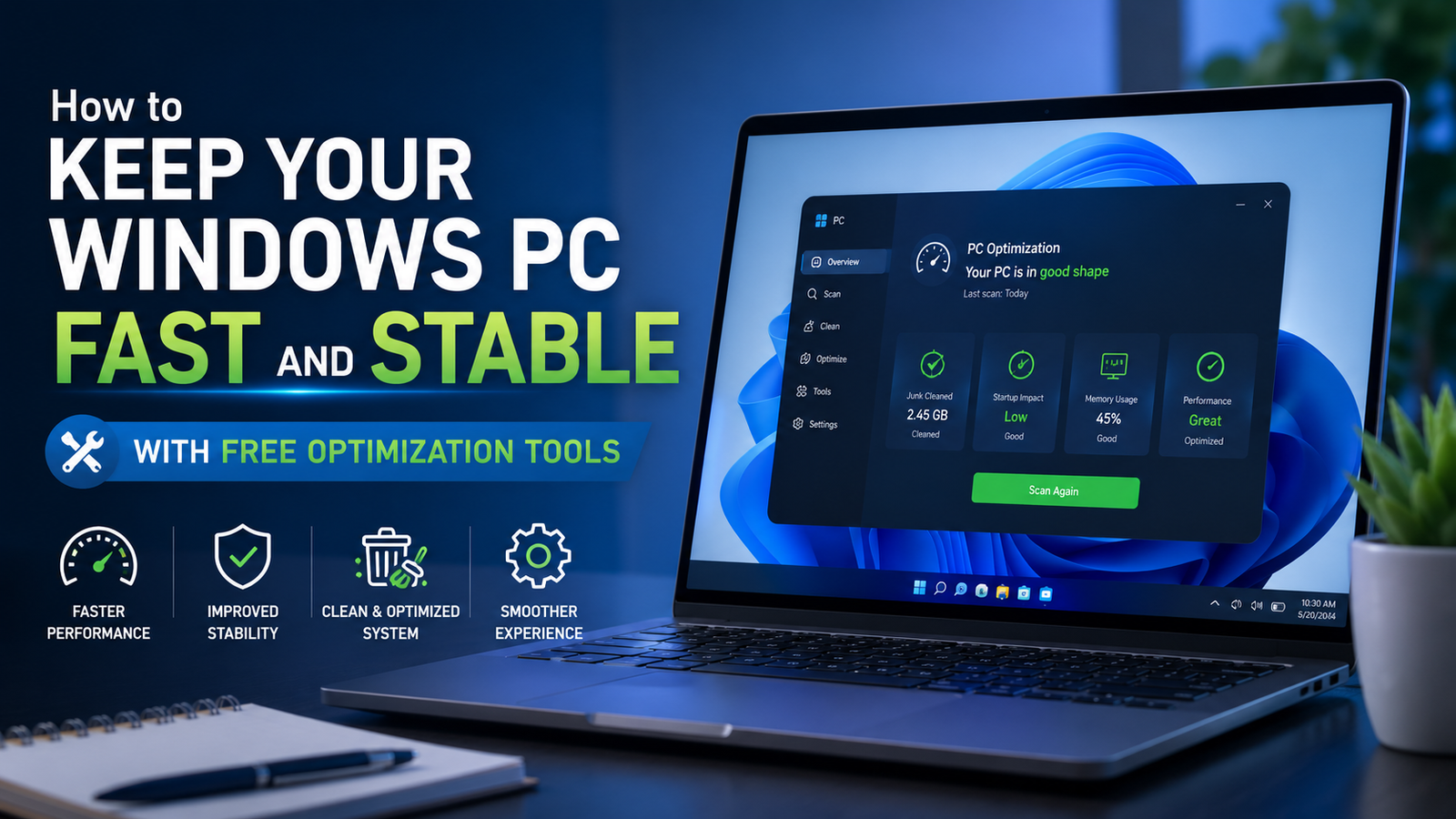
Modern computers are designed to handle multitasking, gaming, office work, streaming, and creative projects. However, even powerful systems can become slower over time. Startup programs increase, junk files pile up, drivers become outdated, and background services consume valuable system resources.
Many Windows users eventually notice common problems such as slower boot times, lag during multitasking, random freezes, driver-related issues, or reduced gaming performance. The good news is that regular maintenance can solve many of these issues without requiring expensive hardware upgrades.
Using a reliable PC cleaner free tool along with a trusted driver updater can help improve overall system health, maintain stability, and extend the lifespan of your computer. In this guide, we will explore how PC optimization works, why driver updates matter, and how users can maintain consistent performance on Windows systems.
Why PCs Slow Down Over Time
Windows computers constantly create temporary files, cache data, installation leftovers, logs, and registry entries. While many of these files are harmless individually, they gradually consume storage space and affect system responsiveness.
Some of the most common causes of slow PC performance include:
- Excessive startup applications
- Accumulated junk and temporary files
- Outdated or corrupted drivers
- Fragmented storage on older drives
- Unnecessary background services
- Browser cache and tracking data
- Missing system optimizations
Over time, these issues can make even a relatively new computer feel outdated. This is why routine maintenance has become essential for both casual users and professionals.
The Role of a PC Cleaner Free Tool
A PC cleaner free utility helps users remove unnecessary files and optimize system settings. Instead of manually searching for temporary files or unused data, optimization software automates the process.
Several optimization utilities are available for Windows users today, and many people prefer tools that combine junk cleaning, startup management, privacy protection, and performance monitoring in a single dashboard. A well-designed optimization solution can simplify regular maintenance and help non-technical users manage system performance more efficiently.
A quality PC cleaner free tool can typically help with:
1. Junk File Removal
Temporary files, system logs, browser cache, and leftover installation files can consume significant disk space. Cleaning these files regularly can improve responsiveness and free up storage.
2. Startup Optimization
Too many startup applications can dramatically increase boot time. Optimization tools help identify unnecessary startup items and reduce system load during launch.
3. Privacy Cleanup
Browsers and applications often store tracking data and usage history. A PC cleaner can remove traces that may affect privacy and browser performance.
4. System Performance Monitoring
Many optimization tools include performance monitors that show CPU, RAM, and disk usage in real time. This helps users identify performance bottlenecks.
5. Registry Cleanup
Over time, invalid registry entries may accumulate after software installations and removals. Registry cleanup tools attempt to remove outdated entries to improve system efficiency.
While registry cleaning should always be approached carefully, reputable optimization software usually includes safety backups and restore points.
Why Driver Updates Matter
Drivers are essential software components that allow Windows to communicate with hardware devices such as graphics cards, printers, audio systems, Wi-Fi adapters, and gaming peripherals.
Outdated drivers can create multiple problems, including:
- Game crashes
- Audio issues
- Network instability
- Reduced hardware performance
- Compatibility problems
- Blue screen errors
- Poor graphics performance
Many users ignore driver maintenance because manually searching for updates can be time-consuming. This is where a dedicated driver updater becomes useful.
Benefits of Using a Driver Updater
A driver updater scans the system, identifies outdated drivers, and installs compatible updates automatically. This reduces the risk of installing incorrect drivers manually.
Modern driver management tools are designed to automate the process of identifying outdated drivers and installing stable updates safely. This reduces the need for manual searches across different hardware manufacturer websites.
Here are several important advantages of using a driver updater:
Improved Gaming Performance
Graphics driver updates often include game-specific optimizations. Updated GPU drivers can improve frame rates, reduce stuttering, and enhance overall gaming stability.
Better Hardware Compatibility
Windows updates sometimes create compatibility conflicts with older drivers. Keeping drivers updated helps ensure smooth interaction between hardware and the operating system.
Enhanced Security
Some driver updates include security patches that fix vulnerabilities affecting system stability and protection.
Fewer System Errors
Outdated or corrupted drivers are a common source of crashes and device malfunctions. Updating drivers regularly may reduce these problems.
Stable Internet and Audio Performance
Wi-Fi, Bluetooth, and sound drivers directly affect daily computer use. Updated drivers can improve connectivity and fix audio-related glitches.
Recommended PC Maintenance Schedule
To keep your Windows computer running smoothly and efficiently, it’s important to follow a regular maintenance routine. Small optimization tasks performed consistently can help prevent lag, improve stability, and extend overall system performance.
- Remove temporary and junk files — Once a week
Cleaning unnecessary files regularly helps free up storage space and improves overall responsiveness. - Check startup applications — Once a month
Too many startup programs can slow boot times and consume background resources unnecessarily. - Scan for outdated drivers — Once a month
Keeping drivers updated helps maintain hardware compatibility, system stability, and smoother performance. - Perform deep system optimization — Every 2 to 3 months
A full system optimization can help identify hidden performance issues and improve long-term efficiency. - Install Windows updates — Weekly
Regular Windows updates provide important security patches, bug fixes, and performance improvements. - Run a malware and security scan — Weekly
Routine malware scans help protect your system from threats that may affect speed, privacy, and stability.
Regular maintenance helps prevent long-term slowdowns and reduces the likelihood of unexpected crashes.
Common Mistakes That Hurt PC Performance
Many users unintentionally reduce system performance through poor maintenance habits. Avoiding these common mistakes can make a noticeable difference.
Installing Too Many Background Apps
Some software launches automatically and consumes RAM continuously. Keeping unnecessary background applications active reduces available resources.
Ignoring Driver Notifications
Driver warnings and update notifications should not always be dismissed. Hardware manufacturers frequently release important fixes.
Skipping System Cleanup
Allowing junk files to accumulate for years can slow file indexing and reduce storage efficiency.
Using Untrusted Optimization Software
Not all optimization tools are safe. Users should choose reputable developers with established histories and transparent update practices.
Delaying Windows Updates
Windows updates often contain performance improvements, compatibility fixes, and security patches.
Tips for Maintaining Long-Term PC Performance
Besides using a PC cleaner free utility and a driver updater, there are several additional ways to maintain a healthy computer.
Upgrade to an SSD
If your system still uses a traditional hard drive, upgrading to an SSD can dramatically improve boot speed and application loading times.
Keep Storage Space Available
Windows performs better when adequate free space is available. Try to maintain at least 15–20% free storage.
Remove Unused Software
Old applications often install background services and consume resources unnecessarily.
Restart Your PC Regularly
Many users leave systems running continuously for weeks. Regular restarts help refresh memory usage and system processes.
Monitor System Temperature
Overheating can reduce hardware performance and system stability. Cleaning dust from fans and ensuring proper airflow helps maintain efficiency.
Choosing the Right Optimization Software
When selecting optimization software, users should focus on reliability, ease of use, update frequency, and system compatibility.
A dependable PC cleaner free solution should include:
- Safe junk cleaning
- Startup optimization
- Privacy protection features
- Performance monitoring
- User-friendly interface
- Automatic maintenance options
Similarly, a quality driver updater should provide:
- Large driver database
- Accurate driver detection
- Backup and restore functionality
- Secure update process
- Support for modern Windows versions
Choosing reputable software helps reduce risks associated with incorrect system modifications.
Final Thoughts
Maintaining a fast and stable Windows computer requires more than simply installing antivirus software or deleting a few temporary files occasionally. As systems age, junk files accumulate, startup programs expand, and outdated drivers can create performance issues that affect gaming, productivity, and everyday browsing.
Using a reliable PC cleaner free utility together with a trusted driver updater can help users improve system responsiveness, reduce unnecessary background load, and maintain hardware compatibility over time.
Instead of waiting until a computer becomes extremely slow, regular optimization and driver maintenance can help prevent common Windows performance problems before they become serious. Small maintenance habits performed consistently often make a noticeable difference in long-term system stability and user experience.