 By Admin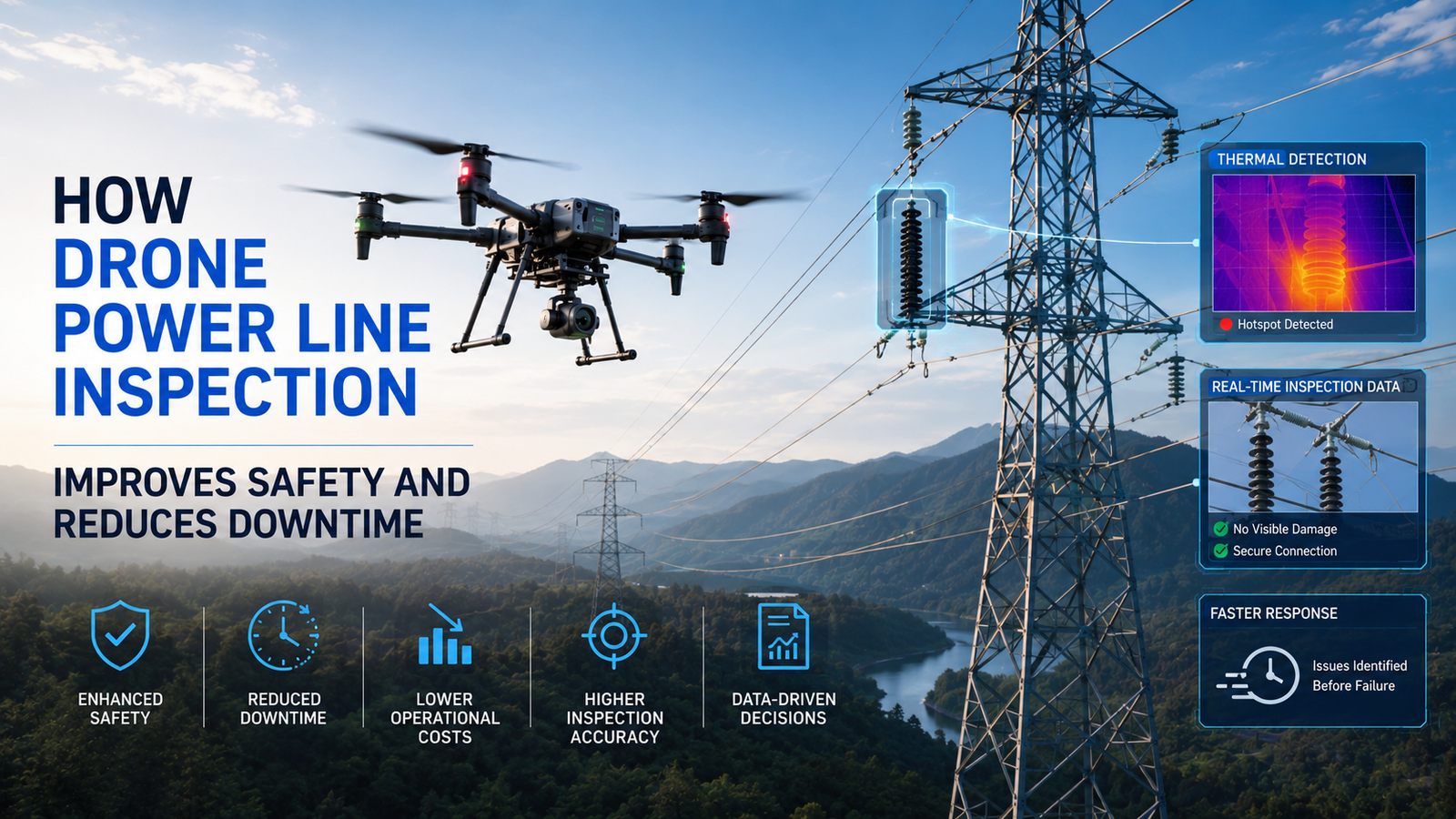
The utility and energy sectors are constantly seeking innovative ways to improve operational efficiency, ensure worker safety, and maintain uninterrupted power supply. Traditional methods of inspecting transmission towers and electrical infrastructure often involve dangerous manual procedures, expensive equipment, and long inspection times. Today, drone power line inspection technology is transforming how utility companies manage and maintain critical infrastructure.
Drones equipped with advanced imaging systems, thermal cameras, AI-powered analytics, and automated navigation capabilities are helping companies detect issues faster and reduce operational downtime. As industries continue to adopt automation, drone inspections are becoming a vital solution for safer, smarter, and more cost-effective power line monitoring.
The Challenges of Traditional Power Line Inspections
Power line infrastructure covers vast geographic areas, including remote forests, mountains, deserts, and urban regions. Inspecting these networks manually can be difficult and hazardous. Traditional inspection methods often require technicians to climb towers, use helicopters, or travel long distances to inspect equipment visually.
These approaches come with several challenges:
- High operational costs
- Increased safety risks
- Time-consuming inspections
- Limited access to remote locations
- Delayed maintenance detection
- Service interruptions during inspections
Manual inspections also expose workers to risks such as electrical hazards, falls from heights, and severe weather conditions. This is why utility companies are increasingly turning toward drone power line inspection systems to modernize their operations.
How Drone Technology is Transforming Power Line Inspections
Drone technology has introduced a faster and safer method for monitoring electrical infrastructure. Modern drones can fly close to transmission lines and towers while capturing high-resolution images and thermal data in real time.
A drone power line inspection process typically involves autonomous or remotely piloted drones equipped with:
- HD cameras
- Thermal imaging sensors
- LiDAR systems
- AI-based analytics software
- GPS navigation systems
These technologies allow utility companies to inspect assets accurately without shutting down operations or placing workers in dangerous environments.
Drones can quickly identify:
- Corrosion
- Cracked insulators
- Vegetation encroachment
- Loose connections
- Overheating components
- Structural damage
By detecting issues early, companies can schedule preventive maintenance before major failures occur.
Improving Worker Safety with Drone Inspections
Safety is one of the most important benefits of drone power line inspection technology. Traditional inspections often require workers to climb tall transmission towers or operate helicopters close to high-voltage infrastructure. These activities carry significant risks.
Drones eliminate the need for workers to physically access dangerous locations. Inspection teams can safely monitor power lines remotely while drones collect detailed data from the air.
This significantly reduces exposure to:
- Electrical hazards
- Falls from height
- Extreme weather conditions
- Remote terrain dangers
- Helicopter-related accidents
Utility companies that adopt drone inspection systems create safer working environments while maintaining compliance with industry safety regulations.
The use of drones also allows inspections to be performed more frequently, ensuring infrastructure problems are identified before they become serious threats.
Faster Inspections and Reduced Downtime
One of the biggest advantages of drone power line inspection is the speed at which inspections can be completed. Traditional methods may take days or even weeks to inspect long transmission networks, especially in difficult terrain.
Drones can cover large distances quickly while capturing accurate visual and thermal data. This enables utility companies to inspect infrastructure much faster than conventional methods.
Reduced inspection times lead to:
- Faster fault detection
- Quicker maintenance planning
- Minimal service interruptions
- Improved grid reliability
- Lower operational downtime
Because drones can inspect energized power lines without requiring system shutdowns, utility providers can maintain continuous service while performing maintenance assessments.
This ability to reduce downtime is especially critical in industries and urban areas where uninterrupted electricity supply is essential.
Real-Time Data Collection and Analysis
Modern drone systems provide real-time access to inspection data, helping maintenance teams make immediate decisions. Drones equipped with AI-powered software can automatically analyze captured images and identify potential defects.
Drone power line inspection systems generate detailed reports that allow operators to monitor infrastructure health more effectively. This data-driven approach improves maintenance planning and supports predictive maintenance strategies.
Thermal imaging technology is particularly useful for detecting overheating components that may not be visible during manual inspections. Identifying these issues early helps prevent equipment failures and costly outages.
The integration of drones with cloud-based asset management systems also enables utility companies to store, track, and analyze inspection history over time.
Cost Savings Through Automated Inspections
Traditional inspection methods often involve expensive helicopters, cranes, scaffolding, and large inspection crews. These operational costs can quickly increase, especially when inspecting extensive power networks.
Drone power line inspection significantly reduces these expenses by automating much of the inspection process. Drones require fewer personnel, less equipment, and shorter inspection times.
Companies benefit from cost savings through:
- Reduced labor expenses
- Lower equipment costs
- Fewer power outages
- Reduced emergency repairs
- Faster maintenance scheduling
Additionally, drones help utilities avoid catastrophic failures that could result in expensive repairs, legal liabilities, and customer dissatisfaction.
As drone technology becomes more advanced, automated inspections will continue to improve operational efficiency and reduce long-term infrastructure maintenance costs.
AI and Automation in Drone Inspections
Artificial intelligence is playing an increasingly important role in drone-based inspections. AI-powered drones can analyze images, recognize defects, and prioritize maintenance needs automatically.
Drone power line inspection systems using machine learning algorithms can detect patterns that indicate early signs of infrastructure degradation. This helps utility providers move from reactive maintenance to predictive maintenance models.
Automation also improves inspection consistency. Unlike manual inspections that may vary based on human observation, AI-driven systems deliver standardized and highly accurate analysis.
Autonomous drones can follow pre-programmed flight paths, avoid obstacles, and inspect assets with minimal operator input. This increases efficiency and allows inspections to be conducted more frequently.
Role of Drones in Construction and Infrastructure Monitoring
The growing use of drones in power line inspections has also expanded into construction and infrastructure management. Many companies now seek the best drone for construction projects because drones offer significant advantages in site monitoring, surveying, and asset management.
The best drone for construction applications can assist with:
- Progress tracking
- Site mapping
- Safety inspections
- Material monitoring
- Structural assessments
Construction firms working on utility infrastructure projects also use drones to monitor transmission line installations and tower construction activities.
By combining drone technology with AI and digital mapping tools, companies can improve project efficiency, reduce delays, and enhance safety standards.
Environmental Benefits of Drone Inspections
Drone inspections also contribute to environmental sustainability. Traditional helicopter inspections consume large amounts of fuel and generate carbon emissions. Drones provide a more eco-friendly alternative.
Drone power line inspection systems reduce the need for heavy equipment and minimize environmental disruption in remote areas. Drones can inspect infrastructure without damaging vegetation or disturbing wildlife habitats.
They also help utilities identify environmental risks such as vegetation growth near transmission lines, reducing the likelihood of wildfires caused by electrical faults.
As sustainability becomes a major priority across industries, drone-based inspections support greener and more responsible infrastructure management practices.
The Future of Drone Power Line Inspection
The future of drone inspections is expected to include even greater automation, AI integration, and advanced analytics capabilities. Emerging technologies such as 5G connectivity, edge computing, and digital twins will further improve inspection accuracy and operational efficiency.
Drone power line inspection will continue to evolve as utility companies invest in smart grid technologies and predictive maintenance solutions. Autonomous drones will play a key role in maintaining reliable energy infrastructure while improving safety and reducing costs.
At the same time, industries searching for the best drone for construction and infrastructure projects will increasingly rely on intelligent drone systems for efficient project management and asset monitoring.
Conclusion
The adoption of drone power line inspection technology is transforming the utility industry by improving safety, reducing downtime, and enhancing operational efficiency. Drones provide faster, safer, and more accurate inspections compared to traditional methods, helping companies maintain reliable power infrastructure while minimizing operational risks.
From real-time data analysis and predictive maintenance to AI-powered automation and environmental sustainability, drone technology is shaping the future of infrastructure management. As industries continue to modernize operations, the demand for advanced drone inspection systems and the best drone for construction applications will continue to grow.
Companies that invest in drone inspection technology today will gain significant advantages in safety, reliability, cost savings, and long-term operational performance.