 By Admin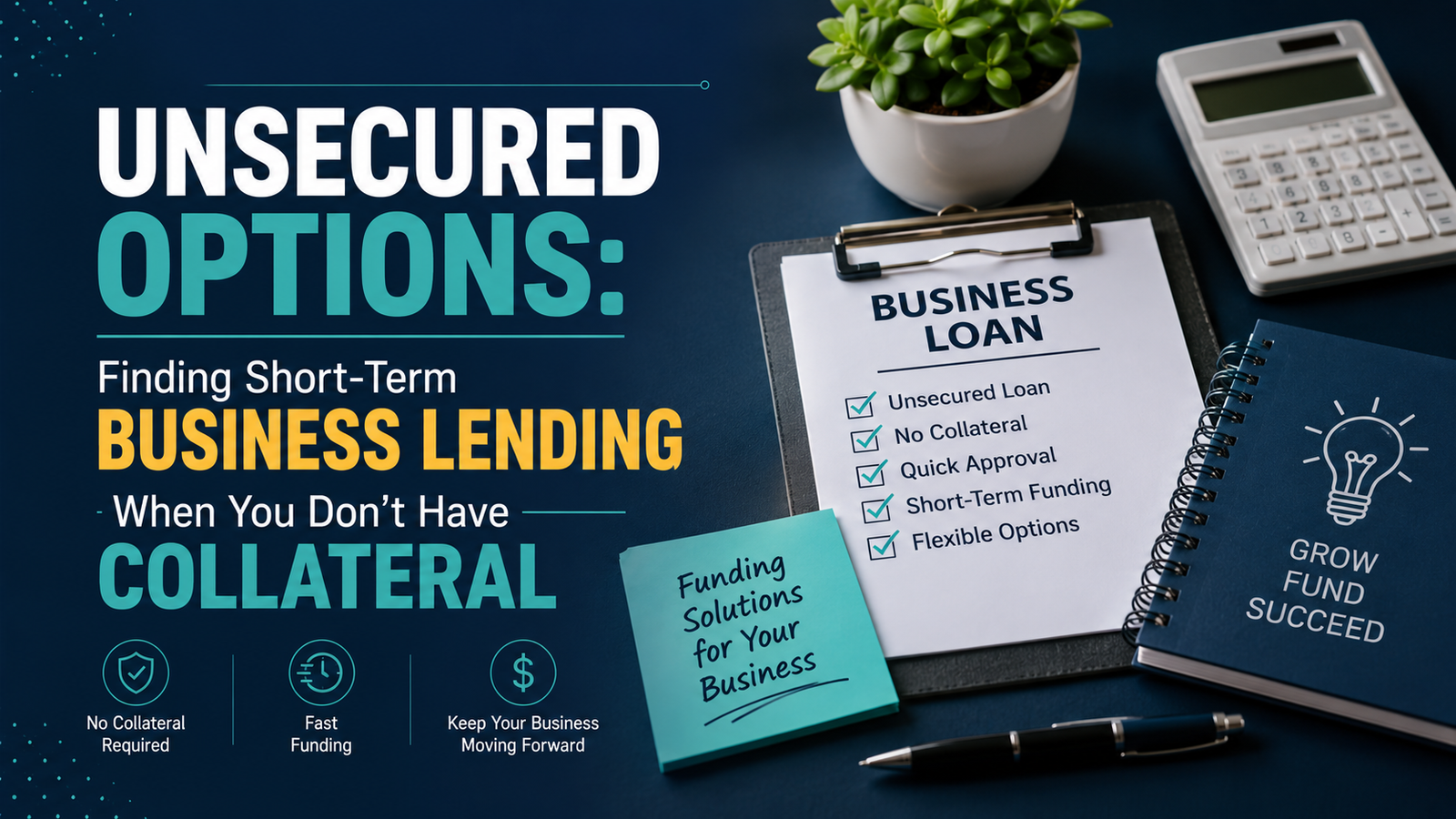
Many small businesses are struggling to qualify for loans as they do not have property and hard assets that could be used as collateral. This has been especially true for service-oriented and digital businesses. Short-term business lending solve this problem as such loans are based on revenue, cash flow and not hard assets. This helps businesses access funds instantly. Such loans are typically short-term and are often employed for cash flow management and other business growth-related requirements.
Why Collateral-Free Lending Is Growing
Collateral-free lending is becoming increasingly popular as more and more businesses move away from traditional physical assets towards digital and service-based approaches. As a result, lenders have changed the way they assess the risk for lending by reviewing bank accounts instead of property and equipment. Therefore, because there are no collateral requirements, businesses that want access to quick funding for minimum operating costs, inventory, and growing their business benefit greatly from unsecured loans.
Merchant Cash Advances (MCAs)
A merchant cash advance offers a lump sum upfront in return for a percentage of future sales. Repayment is made by automatically deducting a portion of the business’s daily or weekly revenue. It is a form of short-term business lending that is most suitable for companies with a consistent flow of card transactions, such as retail shops, coffee shops, and beauty salons. Getting the green light is quick and there are few requirements, but the total cost can be higher than other lending options, therefore MCAs are mostly a good fit for situations with a need for money quickly or only for a short time.
Business Lines of Credit
The business credit line facility offered by a business will allow you to borrow only the amount you need whenever you need it, up to a certain limit. The interest will only be charged on the amount borrowed. Many firms rely on short-term business lending in the form of lines of credit to address cash flow management challenges, off-season periods, or unforeseen expenses. The short-term financing provide convenience of reuse but charge high rates according to the consistency of earnings.
Factoring and Invoice Financing
For businesses that send out invoices with extended payment cycles, invoice financing can provide quicker access to cash that is currently tied up in your accounts receivable. The majority of the funds due at the time of the invoice can be received shortly after the invoice has been issued, rather than having to wait from 30 to 90 days before receiving payment. Short-term business lending through invoice financing is commonly used by B2B services and agencies. Increasing your liquidity will provide you with more working capital; however, the cost associated with invoice financing can result in lower margins, and third parties may need to communicate with your customers.
Revenue-Based Financing
Revenue-based financing allows a company to obtain a loan based on its predictable monthly revenue. The loan repayments are made as a percentage of the borrower’s future income. Short-term business lending of this kind is mostly targeted at companies that operate on the Software as a service model, businesses that rely on subscriptions, and brands that sell online. As payments go up and down with being able to generate revenue, it is less of a stress in the case of less productive months. However, it usually means that the business needs to have had a steady stream of income in the past.
Business Credit Cards & Online Term Loans
For short-term business funding, business credit cards and short-term loans online may be useful. Credit cards are flexible and offer rewards programs. Online loans are for a fixed repayment period. Used properly, these tools can facilitate growth, but high interest rates make these tools high risk if the balances are held for too long. Repayment terms must always coincide with cash inflows.
Ways in Which Lenders Evaluate Unsecured Borrowers
Lenders assess operational health when there is no collateral. Operating health is assessed through the following metrics:
- Monthly and average bank balances
- Revenue trends & stability
- How many years they have been in business and overall industry risk
- The credit history of the business owner and their personal guarantees
Through the above metrics, lenders can confidently make short-term business lending while mitigating potential losses.
Choosing the Right Option
The suitable funding option will also depend on the nature of your business and how it deals with finances. For example, a business that carries out transactions on a daily basis will in most cases opt for the merchant-based options, while those whose employees are invoiced or have regular sources of income are better off with flexible payment options depending on the cash cycles.
Conclusion
Unsecured short-term business lending is a way for asset-light businesses to access capital quickly and easily without putting their assets or equipment at risk. Although the cost of the money may be slightly higher than traditional lending, the convenience and accessibility make the trade-off well worth it. By understanding the mechanics of each product and integrating it with your revenue model, you can make short-term lending an instrument for growth rather than a source of stress.